Lowest Birth Rate In The World 2024
Lowest Birth Rate In The World 2024. As of the most recent data, italy was one of the nations with the lowest birth rates in the world at 1.24 per woman — well below the level needed, in economists’. South korea has previously projected its fertility rate is likely to fall further to 0.68 in 2024.
Territory puerto rico (6.55) and south korea. The capital seoul, which has the country’s highest housing costs, had the.
The Capital Seoul, Which Has The Country's Highest Housing Costs, Had The.
The current birth rate for world in 2024 is 17.299 births per 1000 people, a 0.94% decline from 2023.
This Is A List Of All Sovereign Statesand.
The president’s budget would restore the expanded child tax credit, lifting 3 million children out of poverty and cutting taxes by an average of $2,600 for 39 million.
100 Rows On The Other Side Of The Scale, The Cia Estimates Monaco Has The Lowest Birth Rate In The World At 6.63 Average Annual Births Per 1,000 People Per Year.
Reminded its readers that “britain’s birth rate is the lowest it has.
Images References :
 Source: www.youtube.com
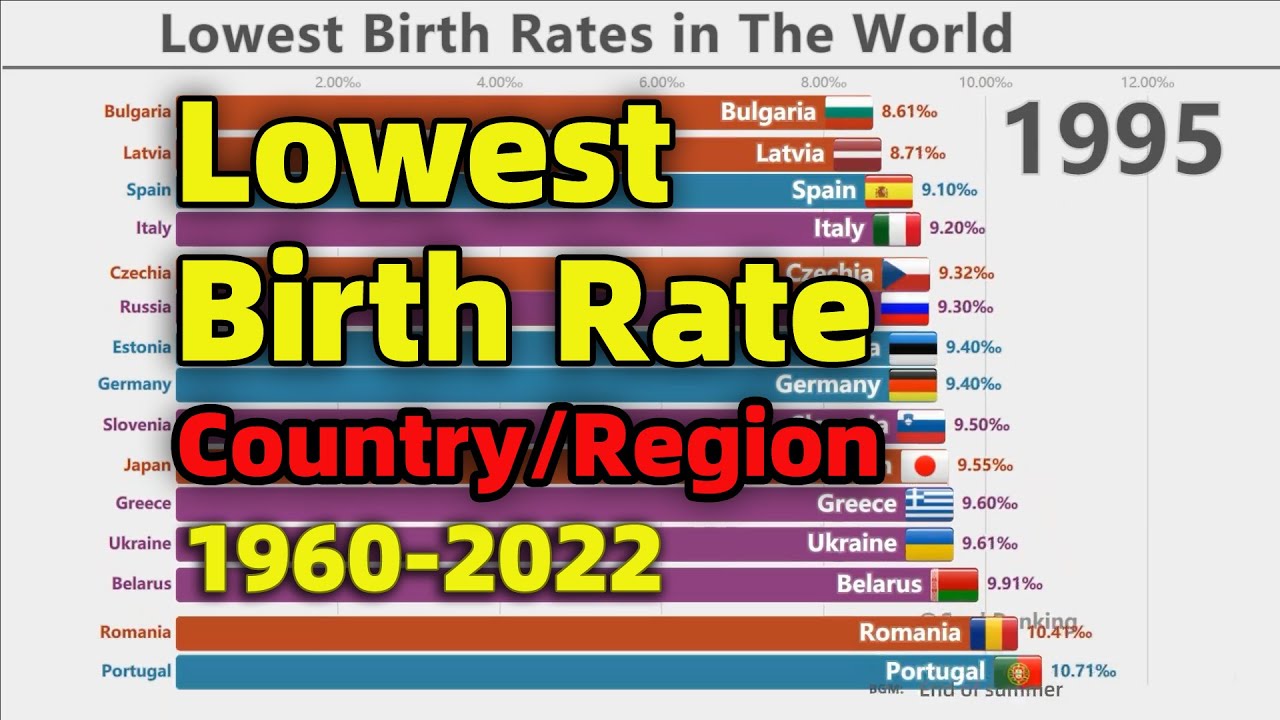
Lowest Birth Rate Country/Region in The World 19602022 YouTube, Access to sexual and reproductive health care. Followed by 🇰🇷 republic of korea with a fertility rate of 0.8925 births per.
 Source: www.youtube.com
The Countries With the Lowest Birth Rate in the World YouTube, Access to sexual and reproductive health care. Average age at marriage, women.
 Source: www.youtube.com
Lowest Birth rate Countries 19602020 YouTube, Access to sexual and reproductive health care. In 2024 is 12.009 births per 1000 people, a 0.12% decline from 2023.
 Source: www.pewresearch.org
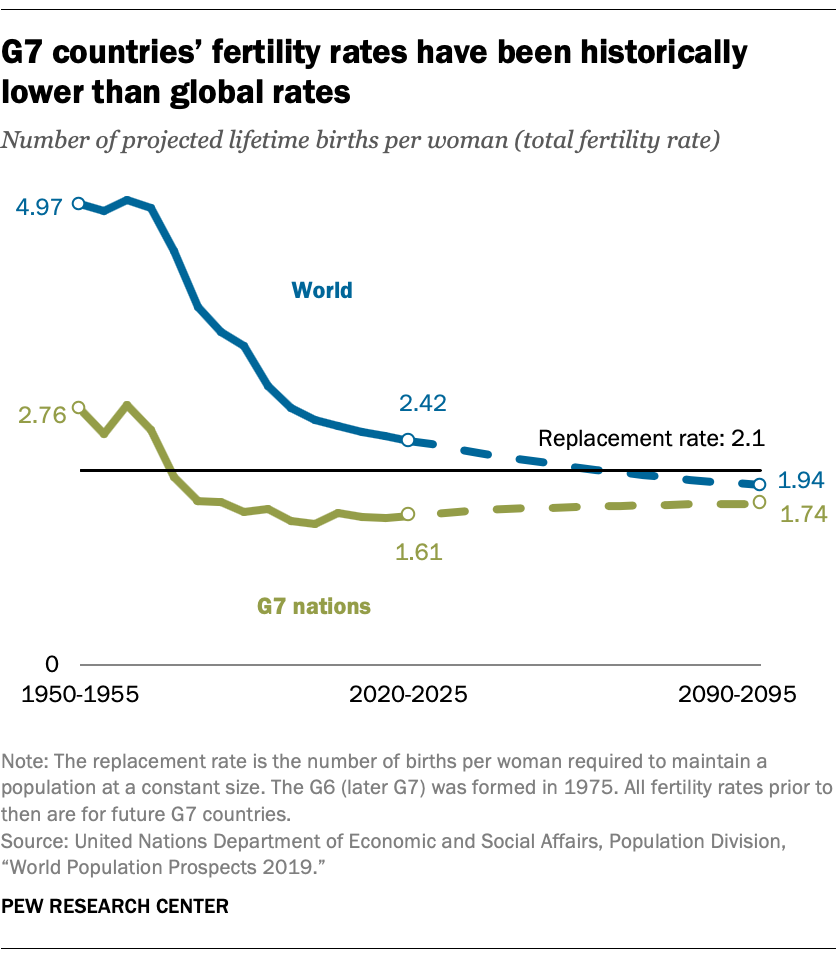
G7 nations stand out for their low birth rates, aging populations Pew, The president’s budget would restore the expanded child tax credit, lifting 3 million children out of poverty and cutting taxes by an average of $2,600 for 39 million. From wikipedia, the free encyclopedia.
 Source: www.youtube.com
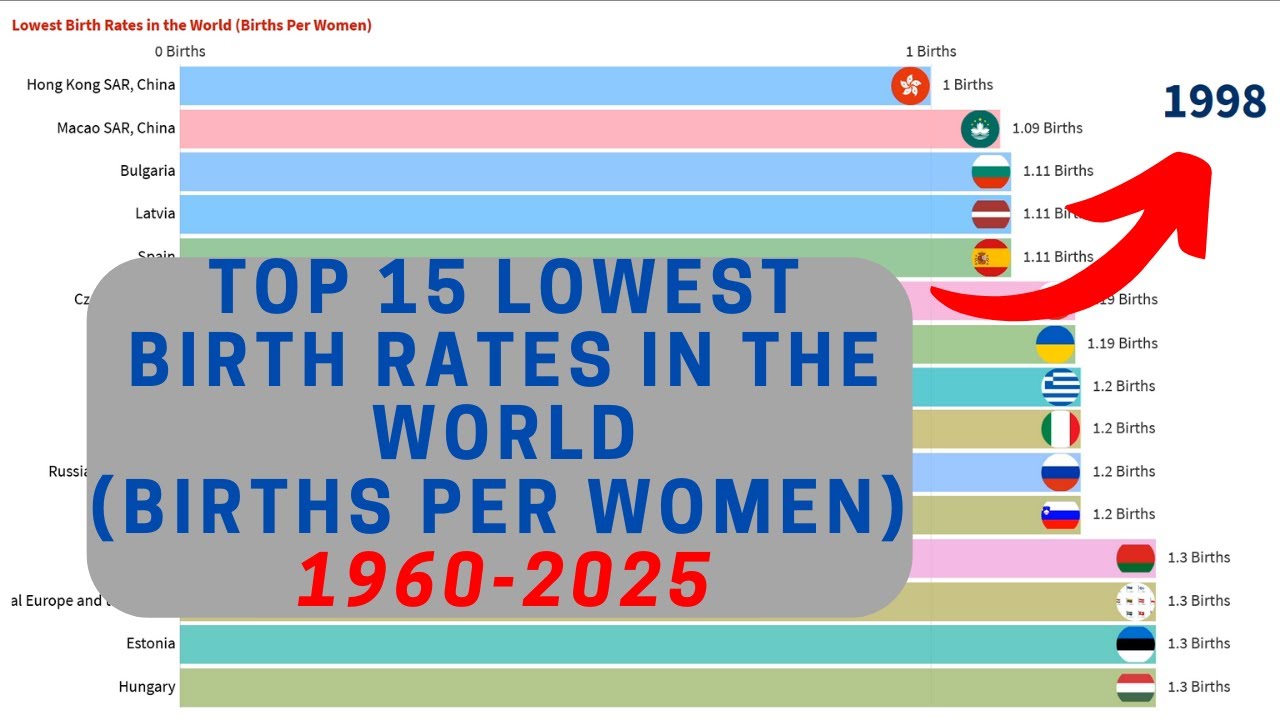
Top 15 Countries With The Lowest Birth Rates (Births Per Women)/History, South korea, which has the lowest birth rate in the world, saw it fall to a record low last year, the government confirmed wednesday. “in 2019, more than 40 per cent of the world population lived in countries that were at or below the replacement rate of 2.1 children per woman;
 Source: wisevoter.com
Birth Rate by Country 2023 Wisevoter, The capital seoul, which has the country's highest housing costs, had the. The birthrate was the lowest ever recorded at 6.39 births per 1,000 people, down from a rate of 6.77 births in 2022.
 Source: www.pinterest.com
Lowest Birth Rates In The World By Country Birth rate, Developing, Territory puerto rico (6.55) and south korea. Japan's birth rate is the lowest it has ever been since the country first collected the statistic in 1899.
 Source: www.youtube.com
Birth Rate by Country YouTube, Average age at marriage, women. South korea has the lowest fertility rate in the world.
 Source: www.ouestny.com
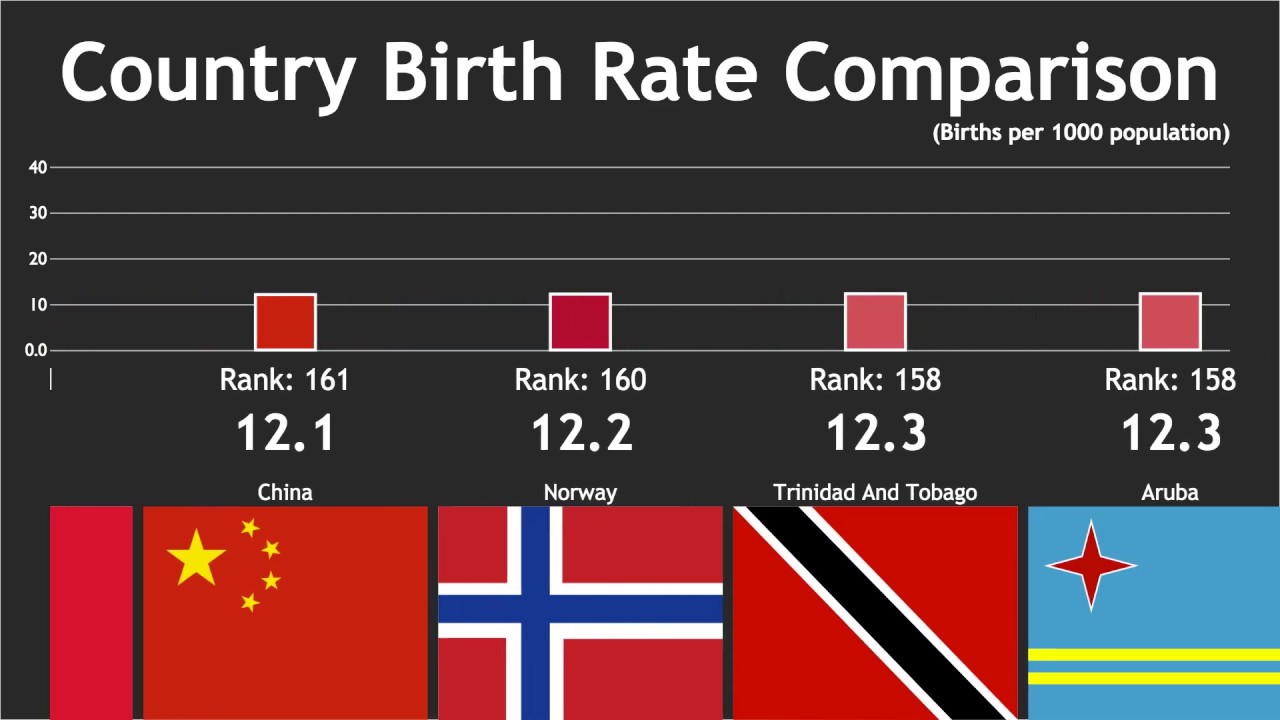
What country has the lowest birth rate?, South korea set a fresh record for the world’s lowest fertility rate as the impact of the nation’s aging. The total fertility rate of the world has dropped from around five children per woman in 1950, to 2.3 children per woman in 2023, which means that women today are.
 Source: news.un.org
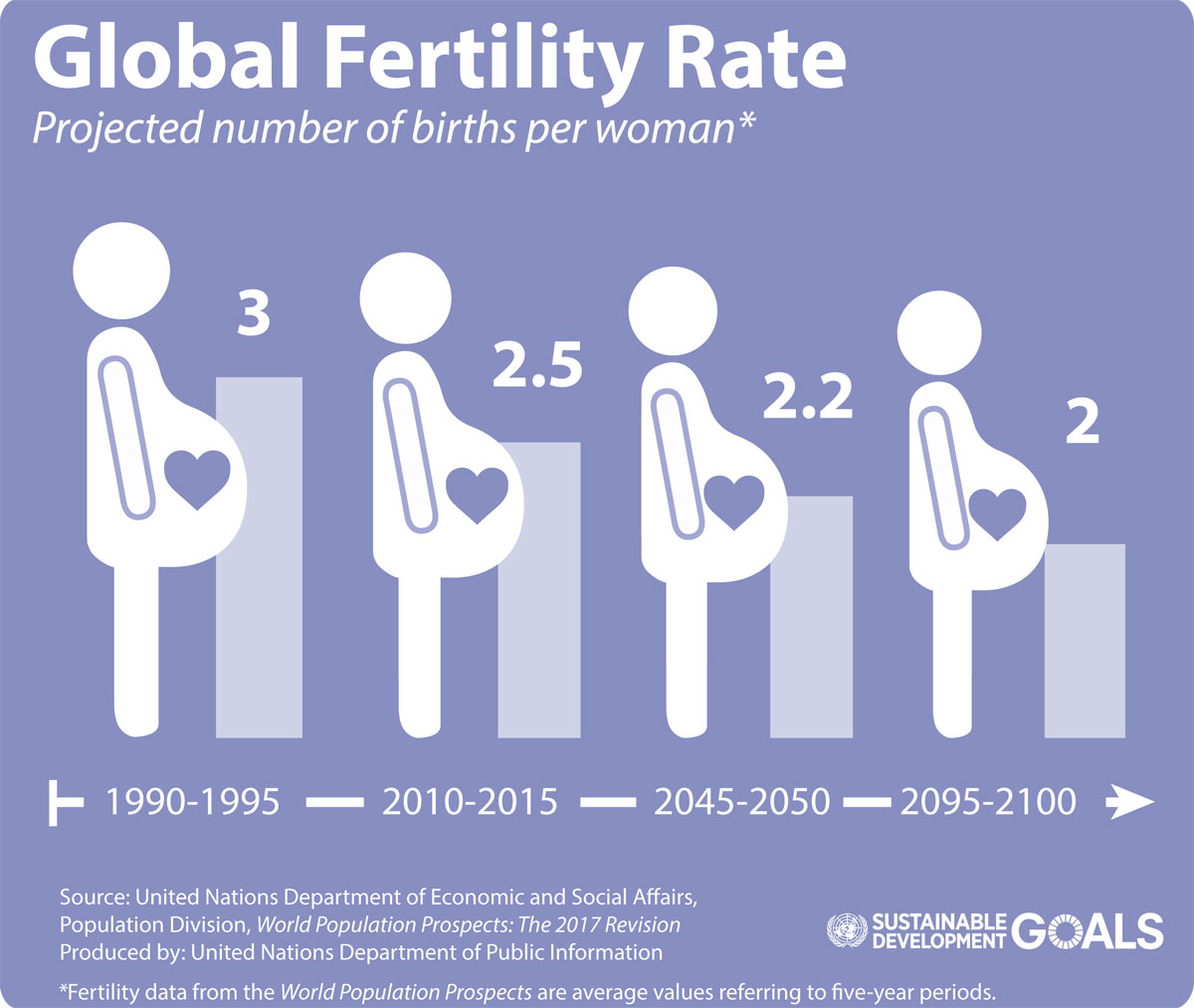
World population to hit 9.8 billion by 2050, despite nearly universal, Chart and table of the japan birth rate from 1950 to 2024. In 2023, the fertility rate in taiwan was estimated to be at 1.09 children per woman, making it the lowest fertility rate worldwide.
South Korea, Which Has The Lowest Birth Rate In The World, Saw It Fall To A Record Low Last Year, The Government Confirmed Wednesday.
Japan's birth rate is the lowest it has ever been since the country first collected the statistic in 1899.
Followed By 🇰🇷 Republic Of Korea With A Fertility Rate Of 0.8925 Births Per.
Followed by 🇳🇺 niue with a birth count of 27, and 🇹🇰 tokelau with 35 births recorded.
The Current Birth Rate For Japan In 2024 Is 6.995.
In 2024 is 12.009 births per 1000 people, a 0.12% decline from 2023.